The cybersecurity certification market is more crowded than ever, which can make it difficult to find the right path. Adding to that, many orgs use terms like certificate and certification interchangeably. In our world, that’s like saying “threat,” “risk” and “breach” all mean the same thing, when we know they do not. When you take time to consider it, the differences between certification and certificate are just as important when it comes to the qualifications you, your employers and your peers consider for skills validation and career advancement.
In 2026, cybersecurity hiring priorities are shifting faster than ever. Employers are balancing long‑term credentialing with rapid skills development in areas like AI security, cloud risk and zero trust. As a result, more professionals are asking whether they need a certification, a certificate, or both. Understanding the difference between ISC2 Certifications and ISC2 Certificates has never been more important for staying competitive in today’s cybersecurity workforce.
History of ISC2 Certifications
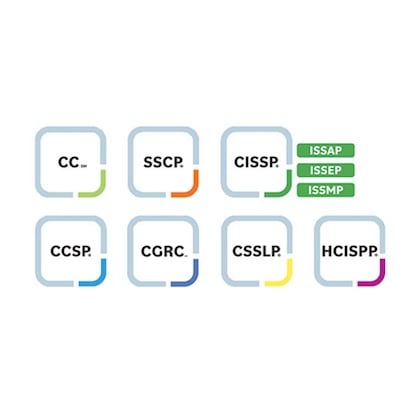
The CISSP was the first ISC2 certification, launched in 1994 and since that time, as the cybersecurity profession has grown and advanced, so too has the ISC2 portfolio. Offerings have expanded over the years to include nine unique certifications supporting professionals in each step of their career. Each certification is maintained through ANSI accredited scheme that includes content development and reviews, examination oversight and membership requirements.
As ISC2 has developed as an association and organization, continuing education opportunities now include certificates – shorter, more targeted programs – were released to meet the growing needs of cybersecurity professionals. ISC2 Certificates provide learning and development opportunities for cybersecurity professionals in the latest in-demand cybersecurity spaces to support continuous career growth in an accelerating field. For those just entering the field or pivoting into cybersecurity, understanding how certificates and certifications fit into your long‑term career path is essential.
The Difference Between Certifications and Certificates
ISC2 Certificates differ from ISC2 Certification in a few ways from content development to user experience, holder requirements, maintenance and more.
ISC2 CERTIFICATES
|
ISC2 CERTIFICATIONS
|
ISC2 Certificates
ISC2 Certificates are designed to support skills‑based learning aligned with today’s most in‑demand cybersecurity domains, complementing ISC2’s broader professional development ecosystem. They provide continuing education opportunities for cybersecurity professionals in the latest in-demand areas with courseware developed by ISC2’s education team and industry leading experts. ISC2 offers six certificates; each is offered on demand through virtual training and broken down into courses. These certification programs range from an estimated nine to 16 hours to complete.
ISC2 certificate programs focus on facilitating the accomplishment of intended learning outcomes identified through a systematic analysis of the needs of participants, industry, and other identified stakeholders. The primary purpose of the program is to provide education and training in support of learning outcomes. The certificate program’s content may include competencies related to a professional role or occupational duties and/or specific work-related tasks and responsibilities.
Certificate programs are reviewed periodically and updated, as needed, by subject-matter experts. Awarded certificates designate that participants have completed the required education/training and demonstrated accomplishment of the intended learning outcomes.
ISC2 Certifications
ISC2 certifications are credentials awarded to individuals after demonstrating that they have the knowledge, skills and abilities to competently perform in a professional setting. ISC2's professional certifications ranging from the no-experience required Certified in Cybersecurity to the industry renowned CISSP and advanced certifications. ISC2 certifications are globally recognized and accredited, providing employers with confidence in a practitioner’s validated experience and competencies.
ISC2 certifications are achieved by successfully passing an independent assessment of the knowledge, skills, and abilities (KSAs) required for competent performance of an occupational or professional role. The examination content is based on the requirements for competent performance of an occupational or professional role and responsibilities. Each certification program’s KSAs are identified by job incumbents through a formal practice analysis which is periodically updated.
Awarded certifications designate that participants have demonstrated the requisite work-related knowledge, skills, or competencies and met the requirements, such as work experience, established by the certification program provider and assessed by an accredited institute. Certifications require maintenance to hold through continuing professional education (CPE) credits.
Requirements – How do you earn an ISC2 Certificate or ISC2 Certification?
ISC2 Certificates do not have experience requirements. Once you purchase an ISC2 Certificate program, you have 60 days to complete the self-paced course. For each course passed, you will receive a certificate of completion along with a digital badge issued via Credly once all courses, and assessments of the certificate, are finalized. The assessments are aligned with the course material and designed to evaluate comprehension of the intended learning program outcomes.
ISC2 Certifications however have eligibility requirements. With the exception of CC, certification holders are required to meet relevant work experience requirements, which vary based on the credential. After passing an in-person exam, you must submit a certification application, sign an agreement to abide by the ISC2 Code of Ethics, and pay your first Annual Maintenance Fee (AMF) to earn your certification.
While most would say a course – whether self-paced, instructor-led or in-person, is recommended for exam preparation, no formal course enrollment or completion is required to sit for the exam. ISC2 exams are experiential, and ISC2 courses do not teach you how to pass the exam. The courses themselves are designed to amplify your understanding of key concepts identified in the exam outline, which is the “blueprint” of each exam. Beyond that distinction between Certificates and Certifications, when it comes to preparing for an ISC2 certification exam, ISC2 is not the sole provider of training options. This is an important differentiator from certificate programs and is also a cornerstone of ANSI accreditation for our certifications.
Conclusion
Whether you’re building foundational skills, responding to emerging technologies like AI, or preparing for your next career milestone in 2026, ISC2 offers flexible pathways to support your growth. Explore our full portfolio of certifications to validate your experience, or browse ISC2 Certificates for targeted, skills‑based learning you can apply immediately.
In today’s fast‑moving threat landscape, certificates help professionals build skills now—while certifications validate experience over time. ISC2 members and associates can save 20% off on both certification courses and certificates as part of your member benefits.