Explore the cybersecurity certifications that equip senior managers to lead board-level risk conversations, influence security funding, and drive governance outcomes.
More than just a technical validation, senior-level cybersecurity certifications can help security leaders demonstrate that they understand how cybersecurity connects to wider business priorities. For senior managers operating between technical teams and executive leadership, that ability to translate security issues into business risk can be critical to building boardroom credibility and influencing investment decisions.
The value of a certification at this level therefore extends beyond demonstrating technical knowledge. It can signal business fluency, risk management maturity and executive readiness, helping security leaders communicate with boards, audit committees and other senior stakeholders in a language they recognize.
Consider how a cybersecurity certification can be a better influence upon senior-level leaders. It will be seen as an accreditation of how capable a practitioner in making decisions for the better of a company. A certification can provide a better example of a practitioner’s knowledge and skills in the day job.
Certifications are also not just a technical validation, but can be a strategic signal of business fluency, maturity in risk management frameworks and governance structures and executive readiness. This can also provide a form for practitioners to communicate with boards, especially in demonstrating the benefits of risk exposure, regulatory liability and insurance impact.
Why Cybersecurity Certifications Matter at the Senior Manager Level
A security leader who can explain not only what a technical problem is, but also its potential financial, operational, regulatory and reputational consequences, is better positioned to shape how the organization responds.
More than just the person running the IT division, a certification can help senior leaders and executives understand what the practitioner is going to do, what they are trying to do, and communicate with the board better - translating situations better for boardroom credibility and budget authority.
How Credentials Translate to Boardroom Credibility
At senior manager level, cybersecurity roles are no longer evaluated on technical depth alone. While a strong understanding of technology remains important, senior leaders are increasingly expected to demonstrate sound risk judgment, strategic decision-making and the ability to communicate effectively with non-technical stakeholders.
This means being able to translate complex security issues into clear business terms, explaining their potential financial, operational, regulatory and reputational impact to executives and boards. A cybersecurity certification can provide evidence that an individual has developed this broader understanding and can operate beyond the purely technical aspects of cybersecurity.
The Best Cybersecurity Certifications for Senior Managers
A certification also provides a degree of independent validation. Rather than relying solely on an individual's experience or claims about their capabilities, a credential can signal demonstrated knowledge across areas such as governance, risk management, compliance and security strategy.
Certifications can also help address the long-standing communication gap between security leaders and boards. No qualification can replace the ability to communicate clearly, exercise sound judgment or understand an organization’s commercial priorities. However, certifications can provide a shared vocabulary and established frameworks for discussing security, risk and governance.
This can make it easier for security leaders to explain complex issues, demonstrate how cybersecurity supports wider business objectives and give boards greater confidence that recommendations are grounded in recognized principles and practices rather than individual opinion.
CISSP — the Standard for Senior Manager Cybersecurity Credibility
For senior managers, the value of certification is particularly evident when security decisions reach the boardroom. A credential such as ISC2's CISSP demonstrates knowledge across eight domains of cybersecurity, spanning areas including security and risk management, asset security, security architecture and engineering, security operations and software development security.
This breadth is important because senior security leaders are rarely responsible for one technical discipline in isolation. Their decisions increasingly sit at the intersection of technology, business risk, regulation and organizational resilience.
Credential recognition can also be valuable when security programs are subject to audit, regulatory scrutiny or external assessment. Certifications do not replace organizational evidence of compliance or effective security controls, but they can provide an additional indication that the people responsible for security decisions have been independently assessed against an established body of knowledge.
This is particularly relevant as cybersecurity becomes an increasingly important component of corporate governance. Boards and audit committees need assurance that security risks are being identified, assessed and managed as part of the organization’s wider risk framework.
Aligning Cybersecurity Certifications to Governance Frameworks
Not every certification, however, is designed for the same career stage. Senior managers should consider whether a qualification demonstrates the combination of technical credibility, governance knowledge and business understanding required for their role.
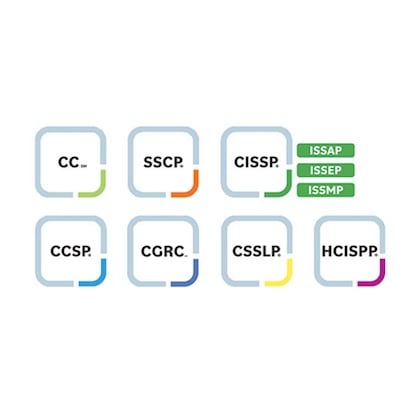
This is where ISC2's portfolio can be particularly relevant. Its certifications span technical and management-oriented areas, including the CISSP and the Certified in Governance, Risk and Compliance (CGRC), allowing professionals to demonstrate knowledge that extends beyond hands-on security operations into governance, risk and compliance.
That governance fluency is increasingly important as organizations work across frameworks and regulatory obligations including NIST, ISO 27001, SOC 2 and sector-specific requirements. Senior managers who understand these frameworks are better equipped to connect security controls and compliance requirements with organizational risk and business priorities.
Cybersecurity for Managers: Translating Certification into Budget Authority
The ultimate value of this credibility is not simply being able to participate in board-level conversations. It is being able to influence the decisions that follow from them.
When it comes to budget approval for investment in security, this can be a consistent pain point for leadership; boards will approve funding based on risk framing, rather than a technical justification. Cybersecurity leaders frequently have to make the case for investment in areas where the financial return is difficult to demonstrate.
A senior manager with a certification will be better positioned to construct investment cases that will map security spend to aid risk reduction, regulatory compliance and liability exposure.
How Senior Managers with Certifications Influence Security Funding Decisions
If you are a leader with a certification, then a board is more likely to approve security budgets as the certification reduces the credibility discount applied to security requests. Also, cyber insurance underwriters will increasingly factor security leadership credentials into coverage terms and premium calculations. Therefore, a manager with a certification will directly affect the outcome of an insurance claim and pricing.
For senior managers sitting between technical execution and executive oversight, a recognized credential can help bridge the credibility gap between those two worlds.
What Is the Best Cybersecurity Certification for Senior Managers?
For senior managers, a certification can strengthen that position by demonstrating an independently validated understanding of security, governance and risk management. It can help establish the credibility needed to move conversations beyond individual vulnerabilities or technical projects and towards questions such as: What is the business exposure? What level of risk is acceptable? What investment is required to reduce it? And where should that investment be prioritized?
In this sense, certification can act as a strategic signal rather than simply a technical credential. It tells boards, audit committees and executive stakeholders that the security leader has developed knowledge relevant to the organization’s wider risk environment.
Is A Cybersecurity Certification Useful for Project Managers Moving into Security Leadership?
For project managers moving up into cybersecurity leadership, certifications can help bridge the gap between program governance, and security domain knowledge. A project manager may already have strong experience in stakeholder management, governance, delivery, budgets and risk, but moving into security leadership requires an understanding of the specific risk, compliance and security principles that underpin those responsibilities.
ISC2 certifications can help validate this knowledge, giving professionals a recognized way to demonstrate that they understand the security and risk considerations required to lead cybersecurity programs effectively.
How Often Do ISC2 Certifications Need to Be Renewed?
Another benefit of a certification is that they require holders to maintain their knowledge through continuing professional education (CPE) credits as part of the certification maintenance process. This helps ensure that the credential remains relevant as governance expectations, security frameworks and regulatory requirements as these evolve.
For professionals moving into security leadership, this ongoing learning is particularly valuable. Cybersecurity is not a static discipline; a certification can ensure that the risks organizations face - including an evolving regulatory landscape and expectations around governance - continue to change.
The CPE requirement therefore means an ISC2 credential is not simply a qualification that is achieved once and then left unchanged. Maintaining the certification requires continued engagement with developments in the profession, helping professionals keep their knowledge current as frameworks, governance practices and regulatory landscapes evolve.
For senior leaders, this demonstrates a commitment to maintaining relevant expertise rather than relying solely on knowledge acquired when the certification was first obtained.
Building a Certification Roadmap for Senior Cybersecurity Leadership
A senior cybersecurity certification roadmap should reflect current responsibilities, industry and career ambitions. Whilst CISSP provides a strong foundation, other options such as CCSP or ISSMP can add specialist expertise based on the chosen domain.
Beyond certifications, ongoing professional development, training and exam preparation, and continuing education with ISC2's continuing education ecosystem can help leaders maintain relevance and demonstrate continued growth.